Did your dental implants in Downtown Calgary start hurting? It’s normal to feel some swelling or soreness around a new implant. Mild discomfort is part of healing, but if the pain is severe or doesn’t go away, you should see a dentist to make sure everything is okay.
Understanding the causes of swelling and how to manage it can protect your implant and overall oral health.
Why Swelling Happens After an Implant
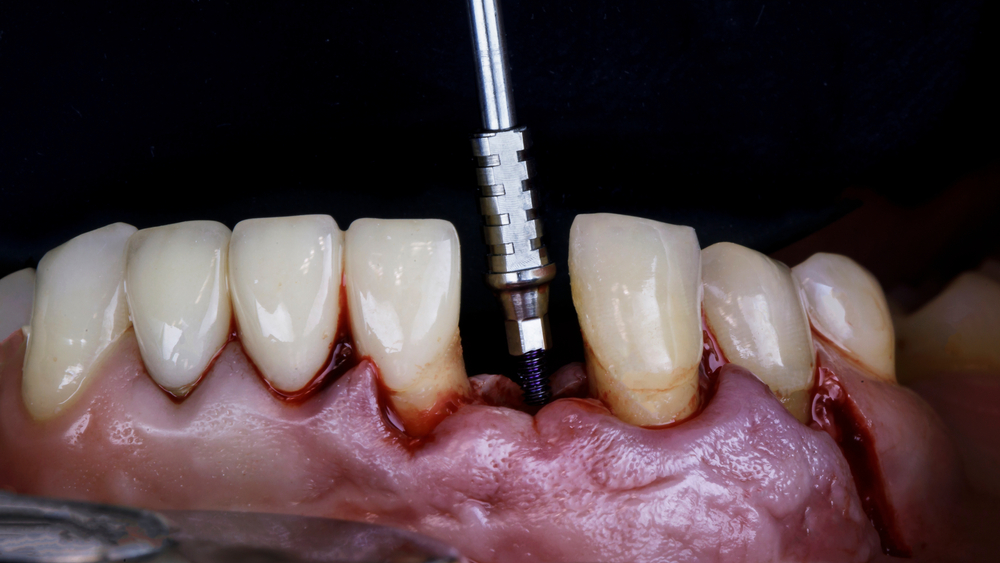
Swelling after getting a dental implant is normal. Your gums and nearby tissues need time to heal and adjust, which can make your mouth look puffy for a while. This swelling usually shows up in the first few days and slowly goes down over one to two weeks.
Some common reasons for swelling include:
- Healing inflammation – Your body’s natural response to surgery
- Minor tissue irritation – From sutures or implant placement
- Pressure on surrounding tissues – From chewing or touching the implant area
Mild discomfort or puffiness during this period is typically normal. However, persistent swelling should not be ignored.
When is Swelling Around a Dental Implant Normal?
Not all swelling is a cause for concern. Signs that your gum swelling is likely normal include:
- Slight tenderness when brushing or flossing
- Light redness around the implant site
- Swelling that slowly decreases over several days
- Minor bleeding immediately after surgery
If the swelling gets worse instead of better, spreads to other areas, or comes with sharp pain, it may indicate a problem that requires professional care.
Infection Around Dental Implant Symptoms
An infection near your implant can affect your healing and the long-term success of your dental work. Being aware of infection around dental implant symptoms can help you get timely treatment. Watch for:
- Increasing pain or discomfort
- Red, inflamed, or darkened gums
- Pus or a bad taste in your mouth
- Swelling that does not subside after several days.
- Fever or general malaise
If you notice any of these signs, contact a dental clinic near you immediately. Prompt care can prevent implant failure and protect your overall oral health.
Other Reasons Your Dental Implant Might Hurt
Sometimes, swelling or pain is not caused by infection but by other factors. Common causes include:
- Improper cleaning: Not brushing or flossing gently around the implant can irritate the gums.
- Trapped food particles: Small pieces of food can get stuck, causing inflammation and tenderness.
- Loose implant or crown issues: Movement can create pressure on the gums.
- Underlying gum disease – Existing periodontal problems can make your implant area more sensitive.
Identifying the cause early helps your dentist in Downtown Calgary provide the right treatment.
Steps to Reduce Swelling Around Dental Implants
Caring for your gums after implant surgery can reduce discomfort and speed up recovery. Some practical steps include:
- Brush and floss gently: Use a soft toothbrush and be careful around your implant.
- Use a mouth rinse: It helps get rid of germs and prevent infection.
- Cold pack: Put on your cheek for 10–15 minutes to reduce swelling.
- Eat soft foods: Have things like soup, yogurt, and mashed veggies for the first few days.
- No smoking or alcohol: They make healing slower and swelling worse.
- Drink water: Helps clean your mouth and remove bacteria.
Following these tips helps your implant heal safely and keeps your mouth healthy.
Preventing Swelling Around Implants
Preventing problems is easier than fixing them. To maintain the health of your gums and stop them from swelling.
- Make sure you brush and floss daily.
- Select a toothbrush with soft bristles to avoid gum harm.
- Avoid biting down on hard or sticky foods near your dental implant.
- Regularly visit your dentist for a cleaning.
- Do not smoke or eat too many sweet items.
A better approach is to focus on how the implant fits into your life.
Understanding the Healing Timeline
Knowing what to expect during healing can reduce anxiety about swelling or pain. Generally, recovery can be divided into stages:
- First 1–3 days – Swelling and tenderness peak; mild bruising may appear.
- Days 4–7 – Swelling begins to decrease; pain should lessen.
- Weeks 2–4 – Gums continue to heal; most tenderness resolves.
- After 1 month, the implant site should feel stable; normal function resumes.
If swelling or pain does not follow this pattern, it’s important to contact a dentist in Downtown Calgary for evaluation.
How Professionals Treat Swelling and Pain
A dentist can help provide treatment options if the swelling continues or develops an infection.
- Antibiotics to treat bacterial infections.
- The site of the implant will be cleaned and disinfected.
- If the implant crown is loose, adjust or replace it.
- In order to promote healing, detailed at-home care instructions will be provided.
Having a professional check your implant will keep it secure and help you avoid further problems.
Take Care of Your Dental Implants!
It’s normal for your gums to be swollen after a dental implant, but if the pain persists or you see signs of infection, visit the dentist. Make an appointment at Terra Dental Care today to keep your smile safe and your implants in good health.
FAQs
Why is my dental implant hurting days after surgery?
Some discomfort is normal during healing. Mild swelling and tenderness usually appear in the first few days. However, persistent or sharp pain may indicate an infection or a loose implant, so visiting a dentist is important.
Is swelling around a dental implant normal?
Yes, mild swelling is part of the natural healing process. The gums may feel puffy for several days after implant placement. Swelling that improves gradually and is accompanied by only minor tenderness is typically normal.
What are the infections around a dental implant?
Watch for signs like increasing pain, redness, pus, bad taste, or fever. These symptoms can indicate an infection. If you notice them, contact a dental clinic promptly to prevent implant complications.
How can I reduce swelling around my dental implant at home?
To reduce the swelling, brush your teeth gently along with floss. Use an antibacterial mouth rinse and place a cold pack on your cheek for 10–15 minutes. Stay away from alcohol and tobacco, and stick to soft foods as they slow down the healing process.