You know that scraping sensation when your hygienist removes tartar from your teeth? You might wonder if there is a different way to clean your teeth. A dentist in Downtown Calgary, AB can explain how Guided Biofilm Therapy (GBT) compares with a traditional dental cleaning. Both methods help manage plaque and tartar, but the tools and steps involved are different.
What Is Guided Biofilm Therapy?
Guided Biofilm Therapy is a professional cleaning approach that focuses on identifying and removing bacterial biofilm from your teeth.
Biofilm is the sticky layer of bacteria that forms on your teeth throughout the day. You probably know it as plaque. When it remains on your teeth, it can contribute to cavities and gum inflammation. Some plaque eventually hardens into tartar, which cannot be removed through brushing alone.
GBT uses a coloured solution to reveal where plaque has collected. Your hygienist can then clean those areas using air polishing and other instruments when necessary.
At Terra Dental Care, guided biofilm therapy in Downtown Calgary, AB is offered as part of the clinic’s dental hygiene services. The approach combines plaque detection with cleaning techniques selected according to your oral health needs.
How Does a Traditional Scrape-and-Polish Cleaning Work?
A traditional dental cleaning usually involves scaling followed by polishing.
During scaling, your hygienist uses hand instruments or an ultrasonic scaler to remove plaque and hardened tartar. You may hear a scraping sound or feel vibrations against your teeth.
An ultrasonic scaler uses vibrations and water to loosen deposits. Hand instruments help your hygienist reach areas that need additional attention.
Once the buildup has been removed, polishing may follow. A rotating rubber cup and polishing paste can help remove some surface stains.
Traditional cleaning is an established method of maintaining oral health. It remains useful when tartar has accumulated along the gumline or between your teeth.
What Happens During Guided Biofilm Therapy?
GBT follows a planned sequence rather than beginning immediately with scaling.
Step 1: Your Teeth and Gums Are Examined
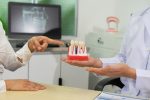
Your hygienist checks your teeth and gums for plaque, tartar, inflammation, and other concerns.
If your gums bleed when brushing or certain teeth feel sensitive, mention this before cleaning begins.
Step 2: Plaque Is Made Visible
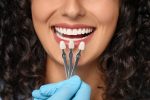
A biofilm disclosing dye is applied to your teeth to show where bacterial plaque remains.
The coloured areas can reveal buildup behind your front teeth, near your gums, or around orthodontic appliances.
You may be surprised by areas you have missed while brushing. Your hygienist can show you where to pay closer attention at home.
Step 3: Biofilm Is Removed With Air Polishing
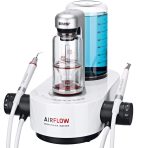
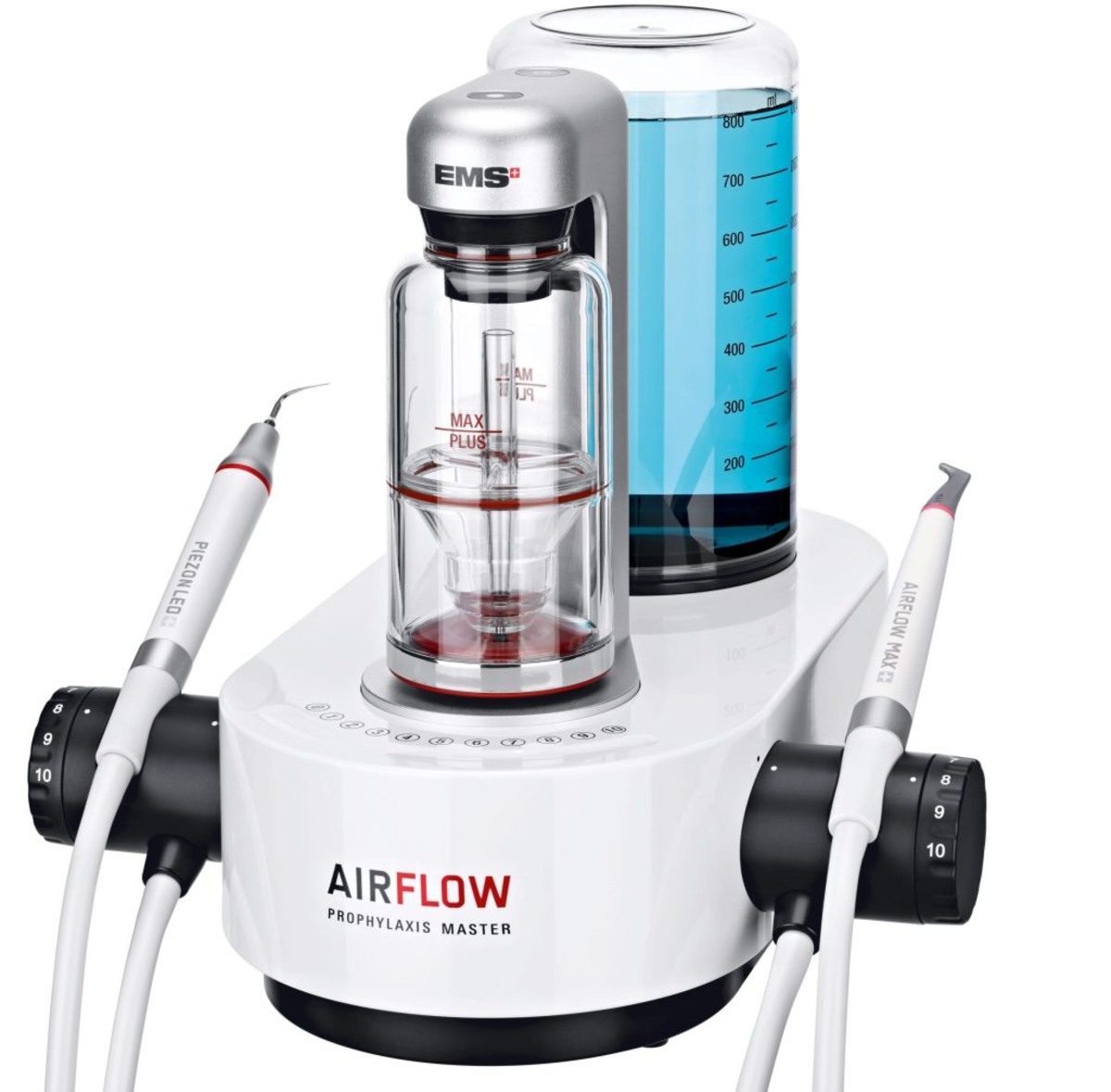
GBT commonly uses air polishing technology to remove biofilm and certain surface stains.
The device directs a controlled stream of air, water, and fine cleaning powder toward the tooth surface.
If you’ve come across the term AirFlow cleaning Calgary, it refers to this type of air polishing. However, air polishing is only one part of GBT, not the entire treatment.
Step 4: Remaining Tartar Is Removed
Air polishing is designed primarily for soft biofilm and stains. It does not eliminate the need for scaling when hardened tartar is present.
Your hygienist may use ultrasonic or hand instruments to remove these deposits.
Step 5: Your Teeth Are Checked Again
Once the procedure is complete, your hygienist checks for any remaining deposits.
You may also receive advice about brushing, flossing, or caring for areas that collect plaque more easily.
GBT vs Scaling: What Actually Changes?
The main difference when comparing GBT vs scaling is how plaque is identified and removed, as well as the order of the cleaning steps.
| Traditional Cleaning | Guided Biofilm Therapy |
| Scaling is commonly used to remove plaque and tartar. | Plaque is highlighted before cleaning. |
| Hand or ultrasonic instruments remove hardened deposits. | Air polishing removes biofilm and certain surface stains. |
| Polishing paste may be used after scaling. | Air polishing is part of the cleaning sequence. |
| Plaque disclosure may be used when needed. | Plaque disclosure is a standard step. |
| Cleaning is adjusted to your oral health needs. | Cleaning follows a structured protocol based on the assessment. |
GBT does not mean scraping instruments disappear completely. If you have tartar, scaling may still be necessary.
Both methods aim to remove harmful buildup. The difference is how your hygienist approaches the cleaning.
Is Guided Biofilm Therapy More Comfortable?
If you dislike the scraping sensation during a dental cleaning, air polishing may feel more comfortable in certain areas.
Instead of a metal instrument moving across the tooth surface, you feel a spray of air, water, and powder.
You may find this more comfortable than traditional scaling. However, your experience will depend on your gum health, tooth sensitivity, and the amount of tartar present.
At Terra Dental Care, GBT incorporates warm-water cleaning technology, which may make the experience more comfortable for some individuals.
If you’re looking for gentle teeth cleaning downtown Calgary, tell your dental team about previous discomfort or sensitive areas. They can explain which cleaning methods may be appropriate for you.
GBT may reduce the need for conventional instrumentation in some areas, but it does not guarantee a completely painless appointment.
Can Guided Biofilm Therapy Remove Tooth Stains?
Have you noticed darker stains near your gums or between your teeth after regularly drinking coffee or tea?
Air polishing may help remove some of these external stains while clearing away biofilm.
However, stain removal and teeth whitening are different treatments.
GBT does not bleach your teeth or change their natural colour. Stains that develop inside the tooth may require another approach.
Your dental professional can assess the discolouration and explain which treatment may be suitable.
Who Might Benefit From Guided Biofilm Therapy?
GBT may be useful when plaque collects in areas that are difficult to reach with a toothbrush.
You may benefit from discussing this approach if you:
- Wear braces or have orthodontic attachments.
- Have crowns, bridges, or dental implants.
- Frequently notice plaque along your gumline.
- Find certain areas difficult to clean at home.
- Experience sensitivity during conventional cleaning.
- Want to understand where plaque is accumulating.
Your dental team will assess whether this technique is appropriate for your teeth and gums.
If you have periodontal disease, additional treatment may be required. GBT does not replace necessary periodontal care.
Does Guided Biofilm Therapy Replace Dental Checkups?
GBT focuses on removing biofilm and other deposits. A dental examination serves a different purpose.
During an examination, your dentist checks for cavities, damaged fillings, gum problems, and other oral health concerns.
You may also need X-rays when they are clinically indicated.
If you’re searching for a dentist near you, ask how routine examinations and professional cleanings work together to support your oral health.
The frequency of your appointments will depend on your dental history, gum condition, and risk of developing oral health problems.
Discuss Your Dental Cleaning Options at Terra Dental Care
If you have questions about your next cleaning or have experienced discomfort during previous appointments, contact Terra Dental Care. Our team can discuss the cleaning services available and help you arrange an appointment based on your oral health needs.
FAQs
Is Guided Biofilm Therapy better than traditional dental cleaning?
Both approaches can effectively remove plaque and support oral health. GBT uses plaque disclosure and air polishing as part of a structured cleaning process, while traditional cleaning commonly relies on scaling and polishing. The better option depends on your gum health, buildup, and cleaning needs.
Does Guided Biofilm Therapy hurt?
Air polishing is often well tolerated, although you may feel water, air, and powder against your teeth and gums. Some areas may still be sensitive, particularly if you have exposed roots or gum inflammation. Tell your hygienist if you experience discomfort.
Can GBT remove hardened tartar?
Air polishing mainly removes soft biofilm and surface stains. Hardened tartar usually requires ultrasonic or hand scaling instruments. These may still be used during a GBT appointment.
How long does a Guided Biofilm Therapy appointment take?
The appointment length depends on your oral health, the amount of buildup present, and whether additional scaling is needed. Your dental team can provide an estimate based on your cleaning requirements.
Is GBT safe for dental implants and crowns?
GBT techniques may be used around dental implants and restorations when appropriate instruments and powders are selected. Your dental professional will assess these areas and choose a suitable cleaning method.
How often should you receive Guided Biofilm Therapy?
There is no single schedule that suits everyone. Your dental professional may recommend cleaning intervals based on your gum health, plaque accumulation, and history of dental problems.