Snoring happens when air cannot pass easily through the nose or throat during sleep. As air moves through, the tissues in the airway vibrate, producing a snoring sound. In some people, the jaw and tongue can block part of the airway. A dental device may help by slightly moving the lower jaw forward, creating more room for air to pass. A visit to a dental clinic in Downtown Calgary can help you find out if this device may help with snoring. However, snoring can happen for many reasons, so the device may not work for everyone. It is also important to check for obstructive sleep apnoea, a condition in which breathing stops and starts many times during sleep. The right treatment depends on the cause of your snoring, your dental health, and your overall health.
How Can a Dental Appliance Help Stop Snoring?
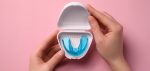
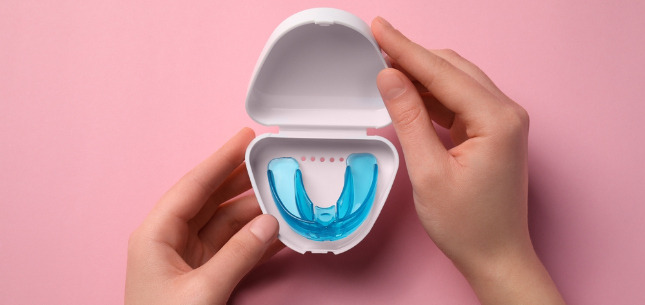
A dental appliance for snoring is a small device worn in the mouth during sleep. Some appliances hold the lower jaw slightly forward, which may help keep the airway open and reduce the vibration that causes snoring.
The most common type is called a mandibular advancement device. It fits over the teeth and gently moves the lower jaw forward while you sleep.
A suitable appliance may help reduce snoring, keep the airway more open during sleep, and reduce noise that disturbs a bed partner. However, results vary from person to person. An appliance may reduce snoring without completely stopping it, and it may not help if the cause is unrelated to jaw position.
Who Can Benefit From a Snoring Appliance?
A mouth appliance may help adults who snore because the lower jaw or tongue partly blocks the airway during sleep. It may be an option when simple changes, such as sleeping on the side, have not helped enough.
A dental clinic near you can check your teeth, gums, and jaw to help determine whether an oral appliance may be suitable.
An assessment may be helpful if snoring happens regularly, disturbs someone sleeping nearby, or continues even after changing sleeping positions. However, loud or frequent snoring can sometimes be a sign of a more serious sleep problem. A healthcare professional can help determine whether further testing is needed.
Can a Dental Appliance Treat Sleep Apnoea?
Snoring and obstructive sleep apnoea are different conditions. Sleep apnoea occurs when the airway repeatedly becomes blocked during sleep, causing breathing to stop and start. It may lead to poor sleep and daytime tiredness.
A dental device may help some adults with obstructive sleep apnoea. This device fits in the mouth and moves the lower jaw forward to help keep the airway open during sleep. It may be suitable for some people, depending on how severe their condition is and their needs. A doctor or sleep specialist should check for sleep apnoea. They may also recommend a sleep study to confirm it.
Warning signs include pauses in breathing during sleep, gasping or choking at night, feeling very tired during the day, and frequent morning headaches.
A dental assessment can help determine whether an oral appliance is suitable, but it cannot replace the medical testing needed to diagnose sleep apnoea.
What Types of Snoring Appliances Are Available?
Different devices work in different ways. The right choice depends on the cause of snoring, dental health, and the presence of sleep apnoea.
Custom dental devices fit over your teeth and gently move your lower jaw forward to help keep your airway open while you sleep. Tongue-holding devices keep your tongue forward so it does not block your airway. You can also buy mouth devices from stores, but they may not fit well or work for everyone.
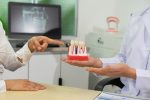
A dental professional who provides guards & appliances in Downtown Calgary can explain which options may suit your needs. A properly fitted device may be more comfortable and can be adjusted when needed.
Are There Any Side Effects?
A snoring appliance may cause side effects, especially when you first start using it. Some effects may improve as you adjust to the device, but ongoing discomfort should be checked.
Possible side effects include sore teeth, jaw discomfort, dry mouth, extra saliva, gum irritation, and changes in how the upper and lower teeth fit together.
Regular dental checkups help monitor your teeth, gums, and jaw while you use the appliance. The device may need adjustments if it causes pain or changes in your bite.
What Else Can Help Reduce Snoring?
Certain daily habits may help reduce snoring, depending on its cause. Sleeping on your side rather than your back, avoiding alcohol close to bedtime, maintaining a healthy weight when appropriate, and seeking advice for ongoing nasal congestion may help.
These steps may support treatment with an oral appliance, but they do not replace medical assessment when breathing problems occur during sleep.
A Better Night’s Sleep Starts With the Right Care!
Snoring can affect your sleep, leave you feeling tired during the day, and disturb the person sleeping beside you. Finding the cause is an important step toward choosing the right treatment. Terra Dental Care can help you explore whether a dental appliance may be suitable for your needs and explain what to expect from treatment. Book your appointment today to discuss your concerns and learn about options that may help you enjoy quieter, more restful nights.
FAQs
How quickly does a snoring device work?
Some people notice less snoring after a few nights. Others may need more time and changes to the device. Results depend on the cause of the snoring and how well the device fits.
Can a snoring device replace a CPAP machine?
Not always. A CPAP machine helps keep the airway open during sleep and is often used to treat obstructive sleep apnoea. Some adults who find it hard to use a CPAP machine may be able to use a dental device instead. A healthcare provider can help you choose the right treatment.
Is a custom appliance better than a store-bought device?
A custom device is made to fit your teeth and can be adjusted for comfort. Store-bought devices may not fit properly and may cause discomfort. A dental professional can explain the benefits and limits of each option.
Can anyone use a dental appliance for snoring?
No. Dental health, jaw problems, missing teeth, and the cause of snoring can affect whether an appliance is suitable. A dental assessment can help identify possible concerns.