If a person wants to replace a missing tooth, a dentist at a dental clinic in Downtown Calgary often suggests a dental implant. This is a small metal post that acts like a new root for a tooth. However, for a dental implant to stay in place, it needs a strong foundation. This is where bone grafting comes into the picture.
What Is Bone Grafting?
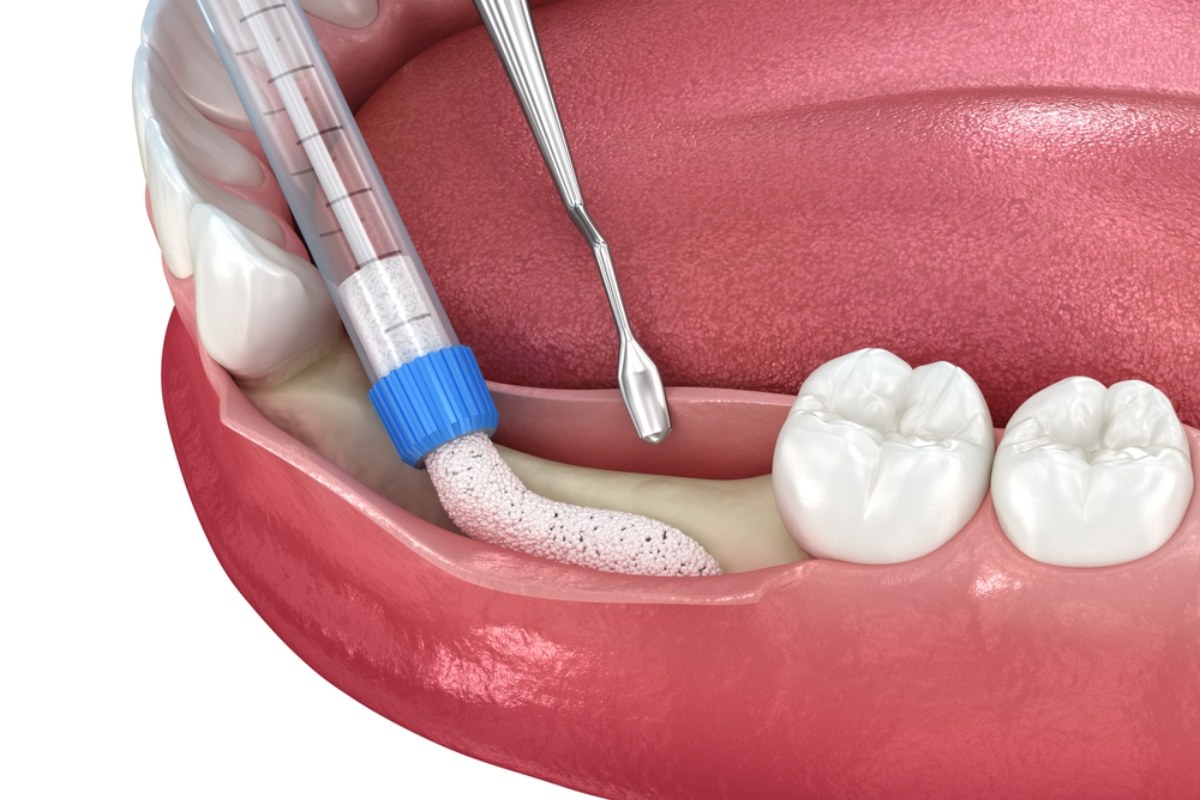
Bone grafting is a dental procedure used to rebuild or add bone in the jaw. It is needed when the jawbone becomes weak, thin, or missing due to tooth loss, gum disease, or injury. A dentist places bone material in the affected area to help new bone grow. This creates a strong base for dental implants. Healing takes time, but it improves bone strength, supports long-lasting implant success, and contributes to better overall oral health.
Why Does the Jawbone Shrink?
The jawbone needs tooth roots to stay strong. When a tooth is pulled out or falls out, the bone underneath slowly starts to shrink. Dentists call this bone resorption.
This can happen because of:
- Tooth loss – Missing teeth for a long time
- Gum disease (periodontal disease) – An infection that damages bone
- Injury or trauma – Accidents that affect the jaw
- Infection or tooth abscess – Severe infections that eat away at bone
The longer a tooth is missing, the more bone is lost. This is why dentists often say, “Do not wait too long after losing a tooth.”
Why Bone Graft Needed for Implants?
A dental implant needs at least 1 mm of healthy bone around it on all sides. Without enough bone, the implant can fail or fall out.
Here Is What Happens During Bone Grafting:
- The dentist numbs the area using local anesthesia
- A small cut is made in the gum
- Bone material is placed where the bone is thin or missing
- The gum is stitched back up
- The body slowly fuses the new bone with the existing jaw – this is called osseointegration
After the graft heals (usually 3 to 9 months), the implant can be placed safely.
Where Does the Bone Material Come From?
Dentists use different types of bone grafting material:
- Autograft – Bone taken from your own body (chin, hip, or shin)
- Allograft – Bone from a human donor (processed and sterilized)
- Xenograft – Bone from an animal source, usually bovine (cow)
- Alloplast – Synthetic bone material made in a lab
Your dentist at a dental clinic near you will recommend the best type based on your specific situation.
Is Dental Bone Graft Painful?
This is the most common question patients ask: Is a dental bone graft painful?
The honest answer is – during the procedure, no. Local anesthesia keeps the area completely numb. Most patients feel nothing during the procedure itself.
After the anesthesia wears off, mild soreness, swelling, and discomfort may persist for a few days. This is normal. Dentists usually prescribe pain relievers and antibiotics to manage recovery.
Most patients go back to normal activities within a week.
Finding Bone Grafting Near You
If a dentist has told you that you need a bone graft before implants, do not panic. Look for bone grafting near you at a trusted dental clinic. A good dental team will walk you through every step and answer all your questions before anything begins.
Getting a bone graft at a dental clinic on time helps improve the chances that a dental implant will stay strong and last for many years, possibly even a lifetime.
Rebuild Jaw Strength With Bone Grafting.
Terra Dental Care provides dental treatment for patients who need a strong, healthy jawbone before dental implants. We perform bone grafting when the jawbone is thin or weak due to tooth loss or gum problems. This procedure helps us rebuild bone, so dental implants can stay stable and work well. We check the mouth using scans and X-rays to plan and deliver safe treatment, support good recovery, and provide long-term oral health support. Book a visit at Terra Dental Care today for expert guidance.
FAQs
How long does a bone graft take to heal before an implant?
Healing usually takes between 3 and 9 months. The time depends on how much bone was added and how well the body heals.
Is dental bone grafting painful after the procedure?
There is some soreness and swelling for a few days after the procedure. Pain medicine helps manage this. Most patients feel much better within 5 to 7 days.
Can everyone get a bone graft?
Most healthy adults can get a bone graft. However, conditions like uncontrolled diabetes, heavy smoking, or certain medications may affect eligibility. A dentist will review medical history before recommending the procedure.
What happens if a bone graft is skipped before an implant?
If there is not enough bone and an implant is placed anyway, it can fail. The implant may become loose, shift, or fall out. A bone graft provides the implant with a solid foundation.
How do patients find a good dental clinic near them for bone grafting?
Search online for a dental clinic near you that offers implant and bone grafting services in Lloydminster. Check reviews, ask about the dentist’s experience with bone grafting, and schedule a consultation to discuss the treatment plan.